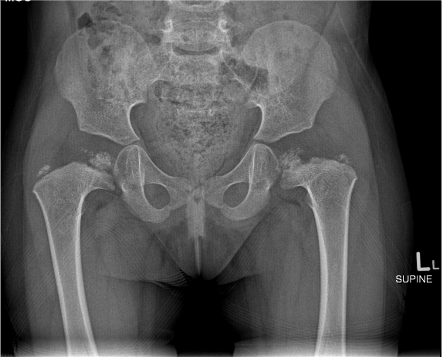
Definition
Disproportionate dwarfism - short limbs but very short trunk
Epiphyseal dysplasia of vertebrae and long bones
Types
| Congenita | Tarda |
|---|---|
|
Usually spontaneous mutation Automsomal dominant
|
X linked recessive
|
| Present at birth |
Appears later Between age 5 and 10 |
|
Severe short stature Spinal issues / scoliosis Coxa vara Vision issues |
Milder version Spine Large joints |
Etiology
Congenita: COL2A1 gene (affecting Type II collagen)
Clinical Features
| Limbs | Spine | Other |
|---|---|---|
|
Short limbs Rhizomelic - short proximal segments - normal hands and feet Genu valgum Coxa vara |
Very short trunk
Odontoid hypoplasia / atlantoaxial instability
Kyphoscoliosis |
CTEV
Cleft palate
Eye problems - myopia - retinal detachment |
DDx
Morquio's disease - shortening in distal limb segments (acromelic), Keratan sulphate in urine
- hands and feet severely affected
Achondroplasia - normal trunk
Xray
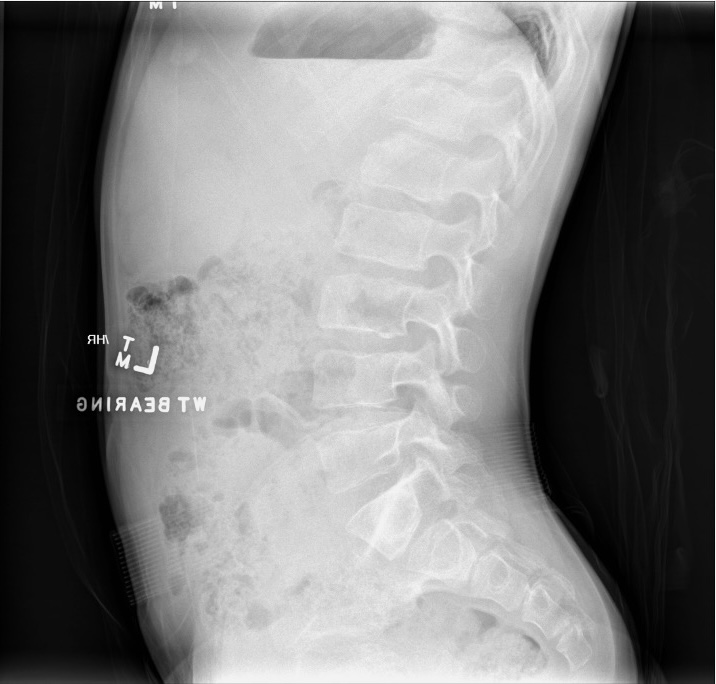
Lumbar spine
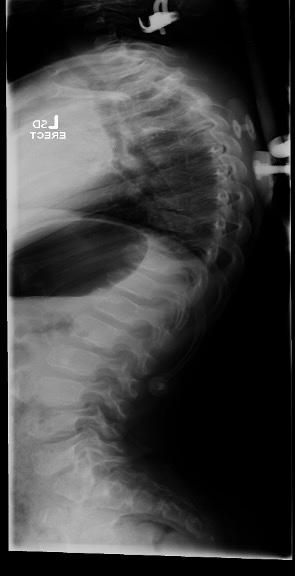
Platyspondyly
Thoracic kyphoscoliosis - usually progresses and should be braced early
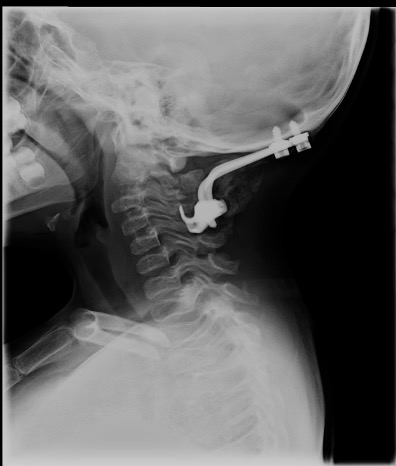
Cervical spine
Odontoid hypoplasia and atlantoaxial subluxation
- cord compression result in cervical myelopathy
- risk of quadriplegia and sudden death
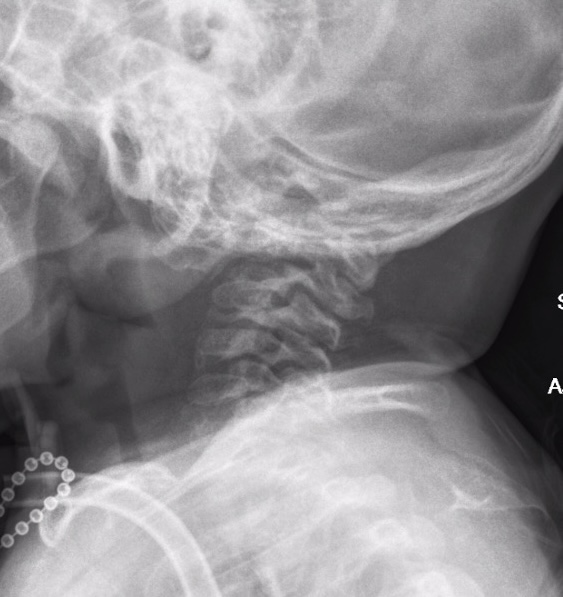
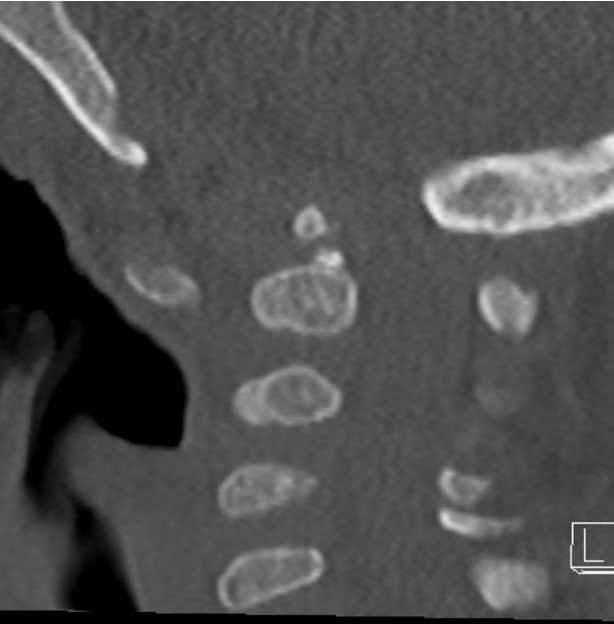
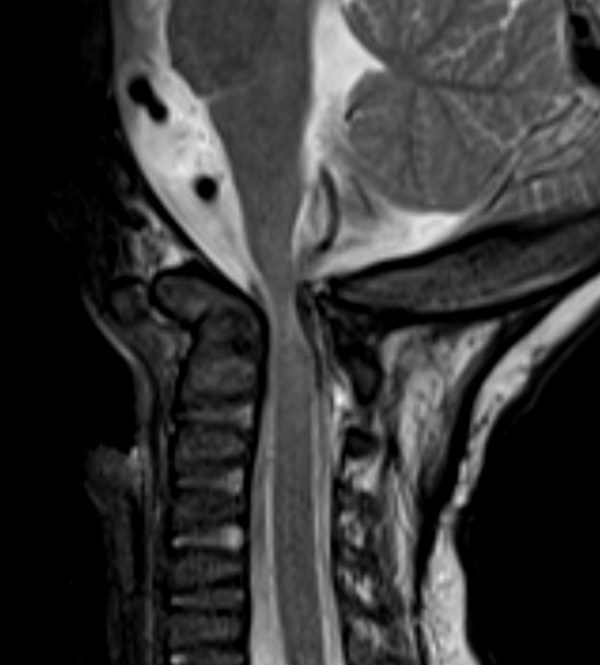
- 6 cases of SED with atlantoaxial subluxation and myelopathy
- occipito-cervical fusion
- all required C1 laminectomy to increase space
Serhan et al J Pediatr Orthop 2017
- upper cervical fusion in 20 children with SED congenita
- mean age 6 years
- 60% of those fused without instrumentation had nonunon
- 100% union with instrumented fusion
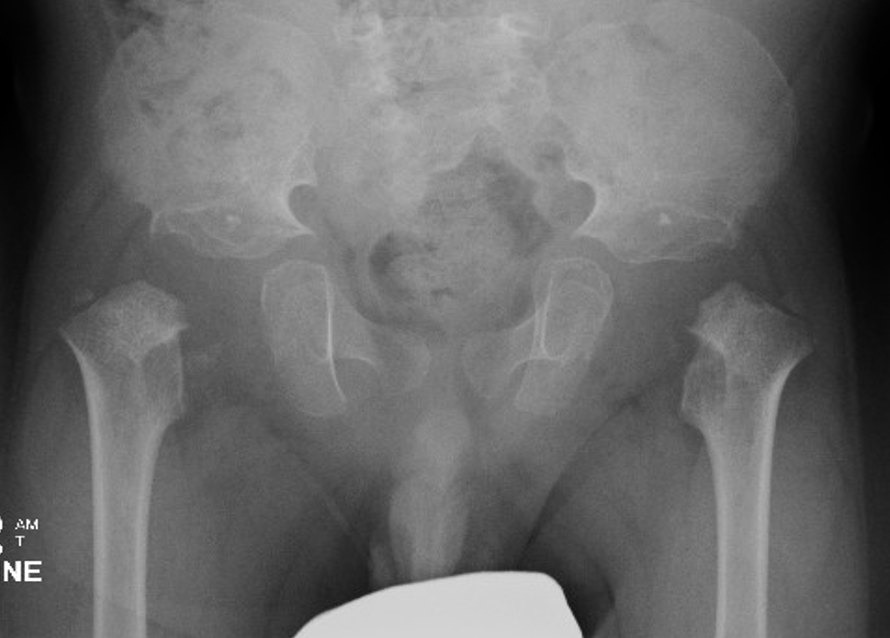
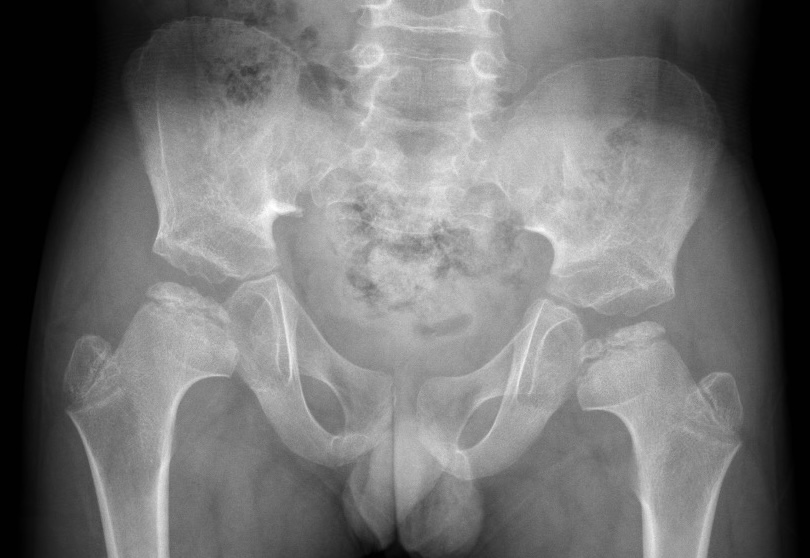
Hip
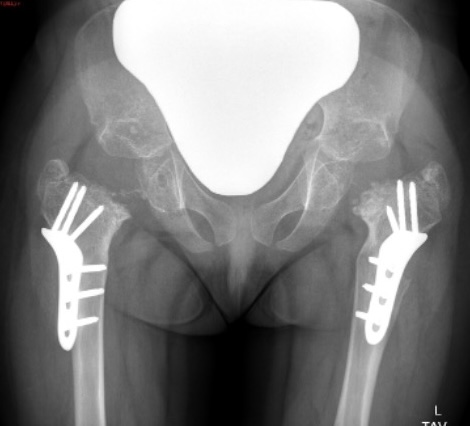
Delayed ossification of capital femoral epiphysis / coxa vara / hip dislocation
Bayhan et al J Pediatr Orthop 2019
- valgus hip ostetomy in 48 hips with SED congenita
- average age 10 with mean 5 years follow up
- improvement in hip pain and ROM