Definition
Deformity characterised by
- dorsiflexion of calcaneus due to weakness of achilles tendon
- plantarflexion of forefoot / forefoot equinus
Both sides of foot have elevated arch compared to cavovarus foot with normal hindfoot alignment
Etiology
Weakness of tendoachilles compared to ankle dorsiflexors
- dorsiflexion of calcaneus
- forefoot becomes flexed
Always associated with neurological condition
- polio - most common
- spina bifida / cerebral palsy / Charcot-Marie-Tooth / Friedreich's ataxia
Symptoms
Difficulty walking
Painful calluses
Difficult shoe wear
Signs
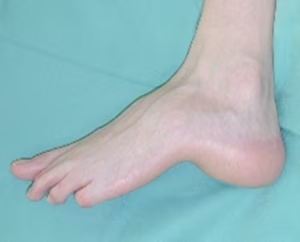
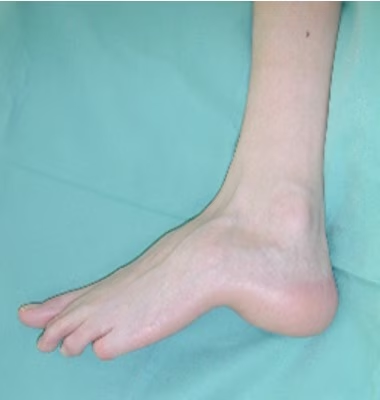
Elevated longitudinal arch both sides of foot
- prominent heel
- abundant callus on plantar aspect of heel
- hindfoot in neutral alignment
Differential diagnosis - cavovarus foot
- medial elevated arch only
- hindfoot varus
X-ray
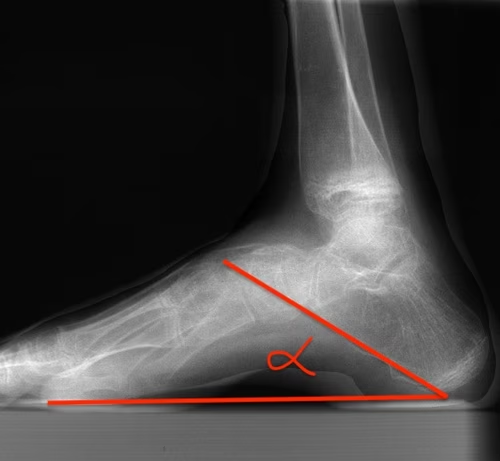
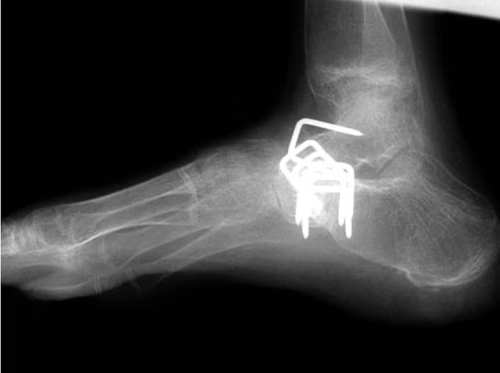
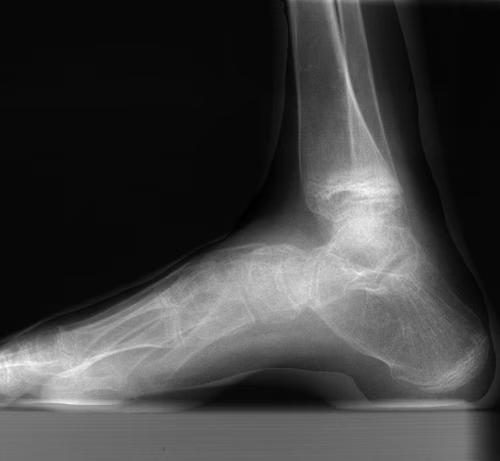
Lateral xray
- Calcaneal pitch > 30o
- < 20o normal
- dorsiflexion of calcaneus
MRI Spine
Exclude spinal dysraphism
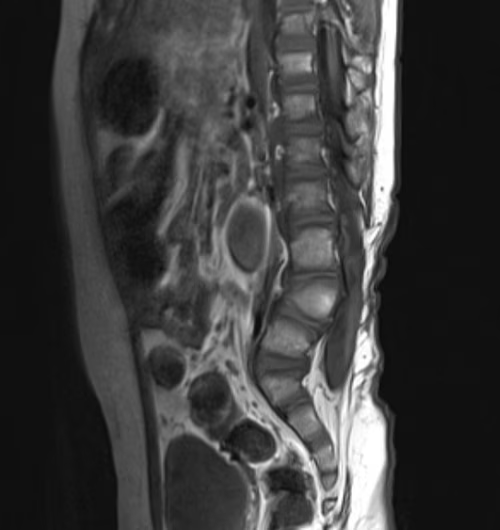
Spina bifida with tethered cord
Nonoperative management
Diagnose and address neurological conditions
Modification of shoe wear / orthoses
Operative management
Options
Tendon transfers
- tendoachilles to fibula
- tibialis anterior to tendoachilles
Grice arthrodesis - extra-articular subtalar arthrodesis
Triple arthrodesis