
Definition
Any act or failure to act that
- results in or potentially results in harm physical / emotional / sexual abuse
- by a parent or caretaker who is responsible for the child
- physical / emotional / sexual / neglect
Risk factors
Low socioeconomic
Substance abuse
Single parent / first child / unplanned / premature / disabled
History of abuse
Epidemiology
NAI second most common cause of death in infants < 6 months
NAI most common cause of death < 5 years
History
Delay in presenting following child injury
History
- vague
- lacking in detail
- contradictory
- insufficient to explain injuries
Musculoskeletal system
Multiple fractures / fractures in various stages of healing
No one fracture pattern in pathognomonic
Rib fractures in young child highest association with NAI
Multiple bruises / bruises in various stages
Burns
Head injuries - skull fractures / subdural hematoma / retinal hemorrhage
Fracture types
- rib fractures
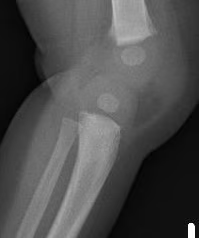
- metaphyseal corner fractures
- femoral fracture in child < 1 (transverse fractures)
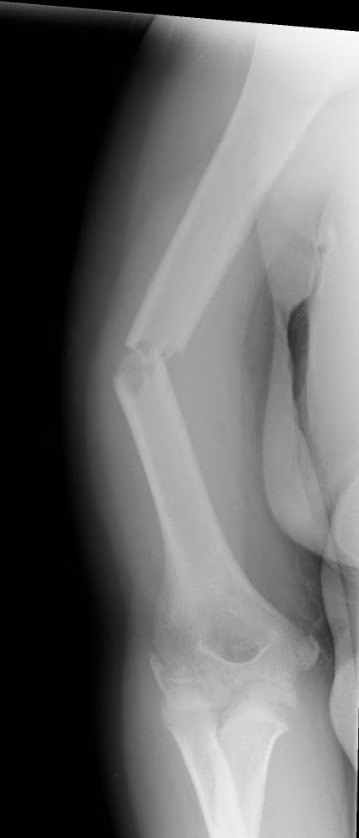
- humeral shaft fracture child < 3
- spinal fractures
- scapular fractures
- epiphyseal separation
Marletta et al Child Abuse Negl 2026
- systematic review of fracture patterns in NAI
- infants < 12 months with rib fractures: NAI 91%
- multiple fractures: NAI 84%
Metaphyseal corner fracture
Imaging
Skeletal survey (< 5 years age)
- xray arms / legs / spine / skull
- look for other fractures
- multiple fractures at different stages high risk for NAI
Differential diagnosis
Accidental injury
Osteogenesis imperfecta
Rickets
Leukemia
Congenital syphilis
Caffey's disease
- infantile cortical hyperostosis
- < 5 months, fever, pain
- typically mandible
- xrays show hyperostosis
- get periostitis
Natural history
30-50% recurrence of abuse
5-10% mortality risk
Management
Reporting is mandatory
- social services
- child protection
Hospital admission to treat acute injuries and remove child from dangerous environment