
open reduction
Great toe dislocation
Epidemiology
Uncommon
- dancers
- athletes
Aetiology
Hyperdorsiflexion of the MTPJ
Pathology
MT head dislocates plantar
- may buttonhole through capsule
- can prevent closed reduction
Blocks to Reduction
1. Sesamoids
2. Conjoint tendon
3. Intersesamoid Ligament
Management 6 - 18 months
Two groups of dislocated hips
1. Late presenters
2. Failures of splint in those < age 6/12
Options
1. Adductor tenotomy + closed reduction
- most surgeons will attempt this initially
- risk of AVN wilth forceful reduction / excessive abduction
2. Open Reduction
- for failure of closed reduction
Radial neck fractures
Mechanism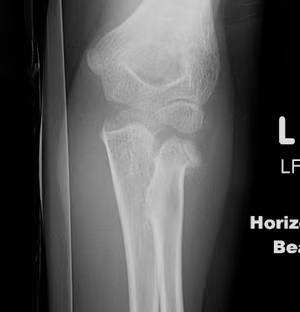
FOOSH
- valgus injury
- don't get radial head fracture as is mostly cartilaginous
Types
SH 1 or 2
Associated Injuries
MCL injury
Olecranon / Medial epicondyle fracture
Monteggia
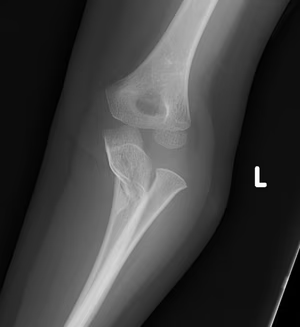
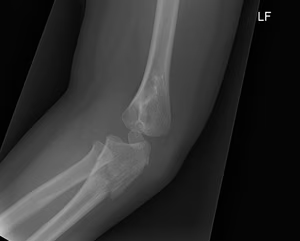
Definition
Fracture / plastic malformation of proximal ulna with dislocation of radial head
Xray
Radio-capitellar line disrupted
Management
Deformity
Varus / extension / external rotation
Options
Intertrochanteric
Base of Neck
Subcapital
Osteotomy
Valgus / flexion / internal rotation
Intertrochanteric / Southwick
Technique
- biplanar
- valgising / flexion / internal rotation
Background
Definition
Displacement of proximal femoral epiphysis in the immature hip
- due to imbalance of mechanical and endocrine factors
Epidemiology
Age Peak Incidence : M 12-14; F 11-13; Slight downward trend due to earlier maturation of children
L hip > R
10 / 100 000
Bilateral SUFE
No endocrine abnormality
- 20% at time of of diagnosis
- another 20% during diagnosis
- up to 60% with long term follow up
Lateral condyle fractures
Epidemiology
Average age 6 years
20% distal humeral fracture
- second most common elbow fracture after supracondylar
Mechanism
Pull Off
- more common
- fracture begins posterolateral metaphysis
- LCL, ECRL & ECRB attached to fragment
Push off
- varus force to extended EJ
Classification
Management > 18 months
Dislocated Hip
Issue
Hip has been out for some time
- degree of acetabular dysplasia evident
- less time for remodelling
- increased instability if not addressed
Management
Open reduction + FDRO / Pelvic Osteotomy
- usually perform pelvic osteotomy to correct acetabular dysplasia
- reserve FDRO for > 3 years / or if difficult reducing hip