Coracoid process fractures
Scapular process fractures
Types
Coracoid process
Scapula spine
Acromial fractures

Coracoid process
Scapula spine
Acromial fractures


Operative v Nonoperative
Levy et al Arthroscopy 2009
- systematic Review
- improved outcomes with operative management
https://pubmed.ncbi.nlm.nih.gov/19341932/
Vicenti et al. Injury 2019
- systematic review
- two studies compare operative v nonoperative
Adolescent boys
Proximal tibia / primary ossification centre
Tibial tuberosity / secondary ossification centre
- eventually merges with primary ossification centre
Type I - Tibial tuberosity ossification only
3 - 5 years old
Undisplaced
- manage in plaster in extension
Displaced > 3 mm
- ORIF
Patella sleeve fracture
- usually small inferior fragment seen on xray
- patella high riding on xray / alta
- is actually large cartilaginous fragment avulsed with retinaculum
- can be osteochondral
Rockerbottom foot / Persian Slipper Foot
Uncommon
50% bilateral
Doesn't delay walking
- may present in toddler with callus under talus head
Congenital anomalies
- CNS disorders
- spina bifida & diastematomyelia ~10%
- arthrogryposis
- neurofibromatosis
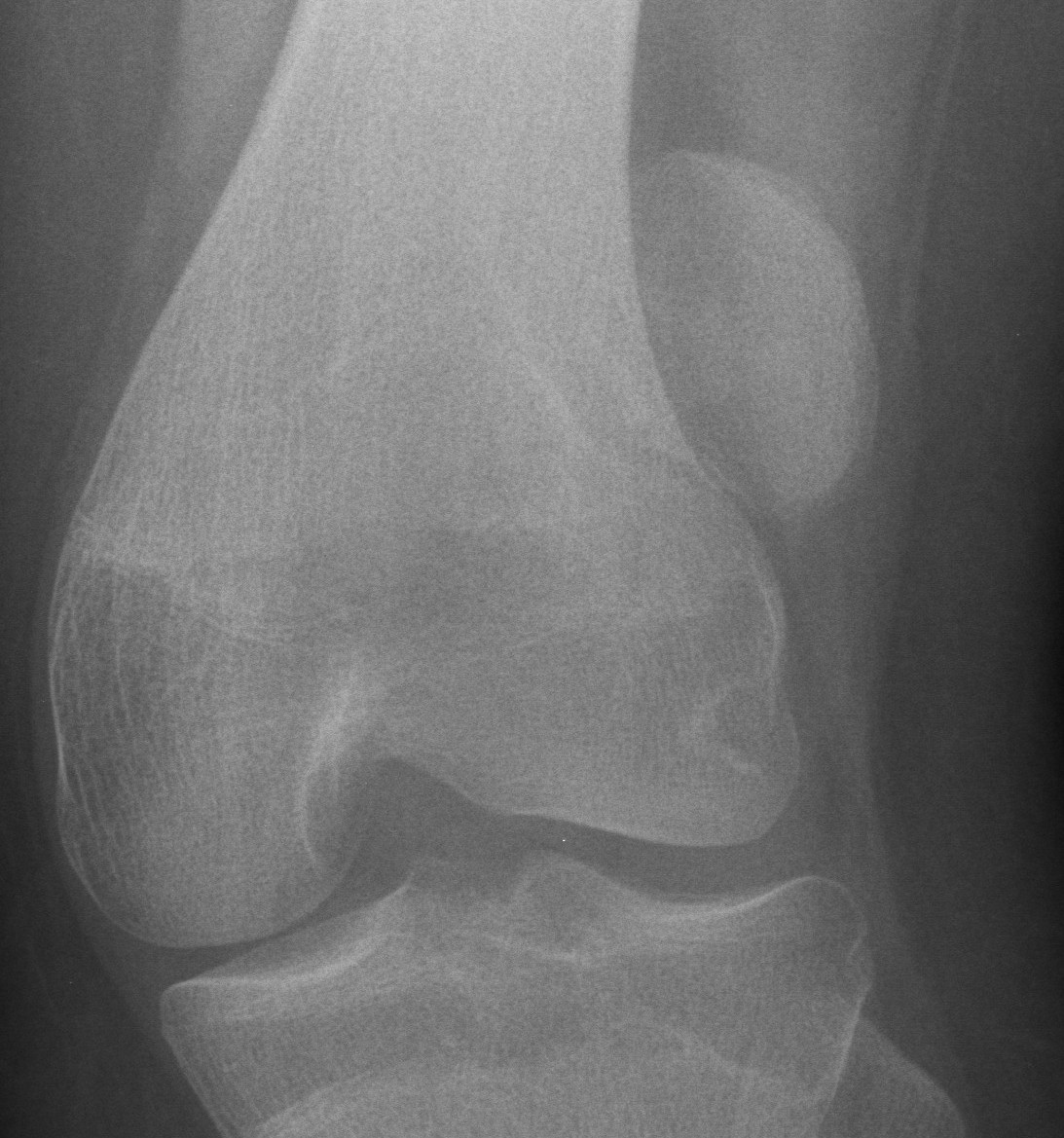
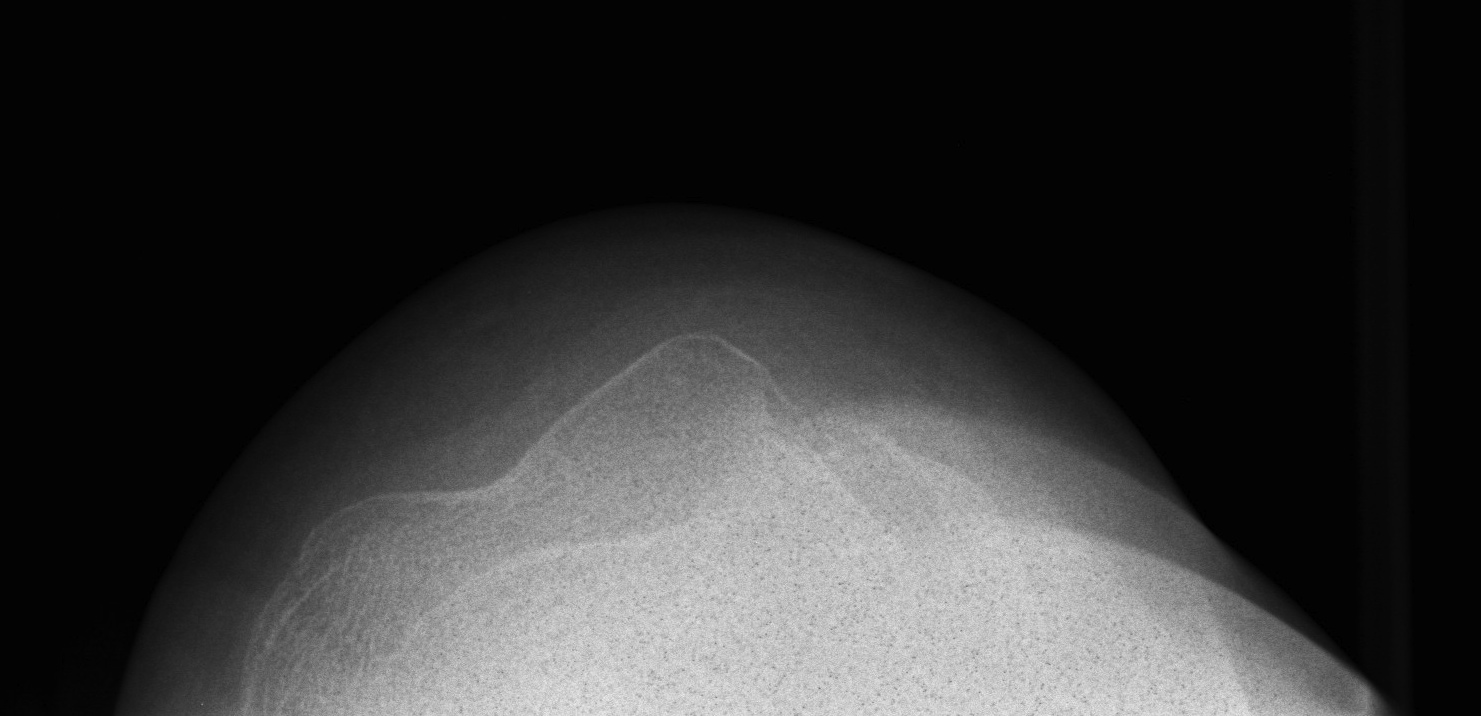
1. Direct lateral blow to patella
- usually with knee partly flexed and quadriceps relaxed
2. Indirect low energy injury
Young men
FOOSH
- axial load, dorsiflexion and radial deviation
DISI occurs in ulna deviation
Type A Stable acute fracture
A1 Tubercle

Most common tumour of hand
F > M
2nd - 4th decade
Unknown
Trauma
Mucoid degeneration of collagen tissue
Synovial herniation