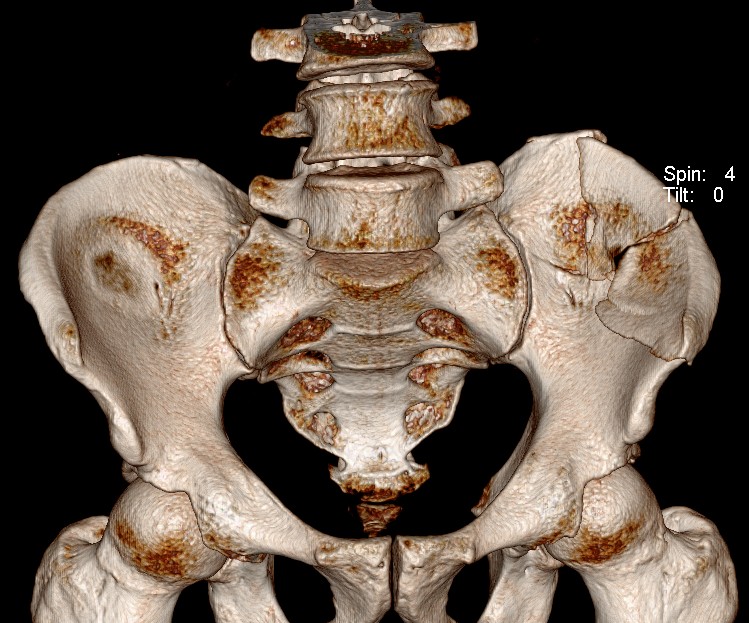
CT

Facet Joint Dislocation

Definition


Facet joint dislocations secondary flexion distraction injury


Epidemiology


10%


Stages


1. Unifacet subluxation - interspinous process widening

2. Unifacet dislocation - 25% anterolisthesis

3. Bifacet dislocation - 50% anterolisthesis

4. Complete vertebral translation - 100% anterolisthesis


Unilateral Facet Joint Dislocation
 

Burst Fractures


Definition


Burst fractures

- injury to anterior and middle columns +/- posterior column


Mechanism


Vertical compression


Epidemiology


10% cervical fractures

Most commonly C5/6


Pathology


Anterior & middle columns fail

- if severe, posterior ligament complex fails

Background

Anatomy


3 facets


1.  Posterior facet (STJ)

2.  Middle facet (sustenaculum tali)

3.  Anterior facet (on distal medial aspect)


Anterior process 

- forms calcaneocuboid (CCJ) articulation


Thalamic portion 

- under lateral process talus


Tuberosities


Posterior tuberosity 

- posterior process / T Achilles attachment


Femoral Head Fractures

Incidence


5-15% of posterior dislocations


Aetiology


Posterior hip dislocation


Pipkin Classification


Type I - head fracture below fovea


Undisplaced

- non operative


Displaced

- excise fragment if small

- ORIF fragment if large (can contribute to instability)


Chordoma

Definition


Primary malignancy arising from remnants of the notochord


Epidemiology


Rare malignant tumour


Middle-aged adults (50-70)


M>F


Location


In midline in axial skeleton


Base of skull 35%


Vertebrae 15%

- especially cervical


Sacrum 50%


Background

Anatomy

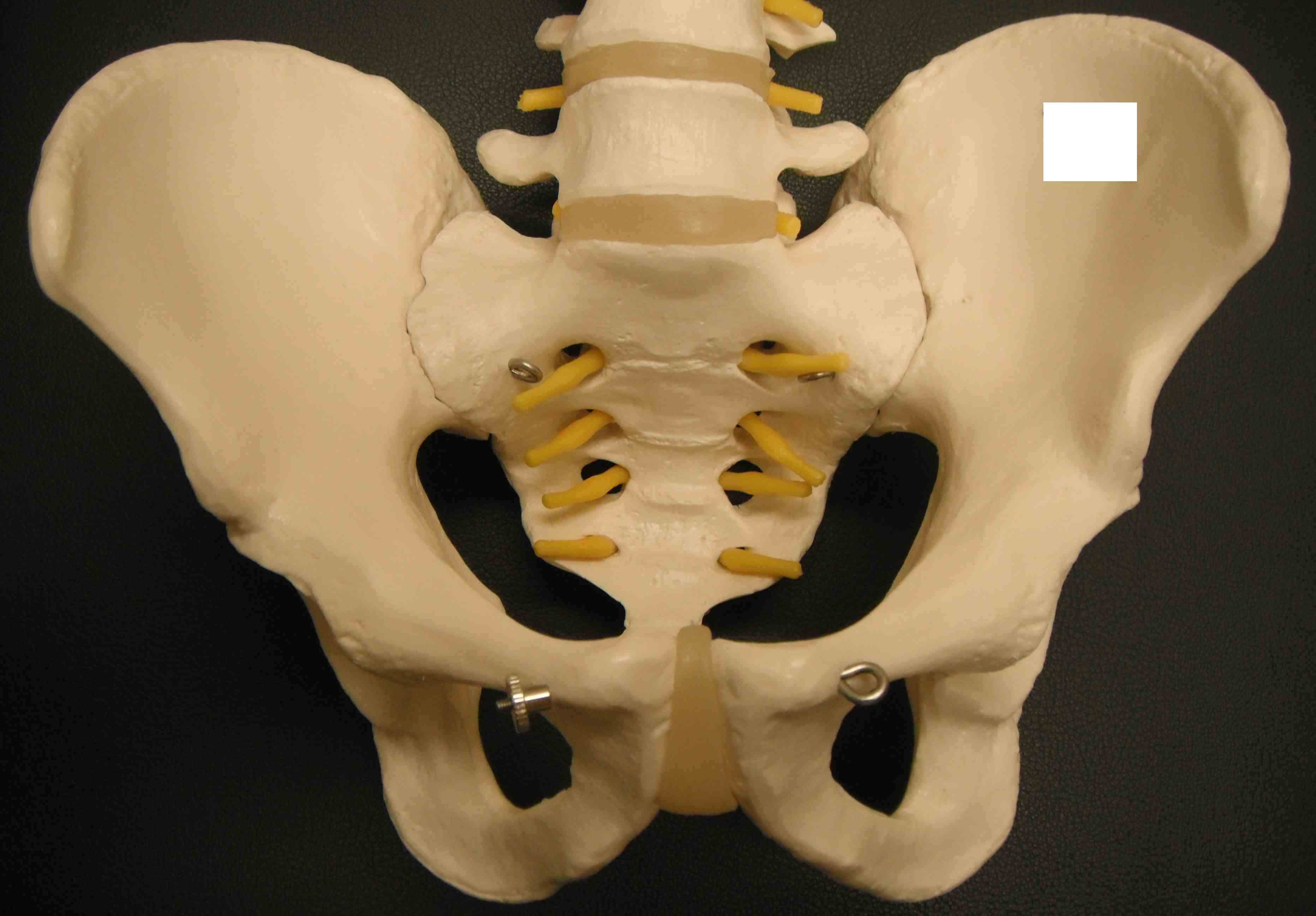
Pelvis Anatomy


Pelvis is a true ring

- any anterior fracture must have a posterior injury as well

- integrity of the posterior sacroiliac complex is key


Bony Anatomy


2 innominate bones + sacrum

Symphysis pubis < 5mm

SI joint 2-4 mm


Management 6 - 18 months

Two groups of dislocated hips


1.  Late presenters

2.  Failures of splint in those < age 6/12


Options


1.  Adductor tenotomy + closed reduction

- most surgeons will attempt this initially

- risk of AVN wilth forceful reduction / excessive abduction


2.  Open Reduction

- for failure of closed reduction


CT Scan

Principle


Irradiate a slice of tissue from multiple angles


Measure the output from different sides


Tissues have different densities

- with denser tissue fewer x-rays reach the detectors


Hounsfield scale


Bone    2000

ST        40

Water   0

Fat       -100

Air       -1000