Epidemiology
1 in 800
Etiology
Trisomy 21
- 95% non disjunction during meiosis
- 4% are result of translocation (Chr 21 joins to Chr 14)
- 1% are mosaics
Advanced maternal age
- 1/ 50 mothers > 45
- however mothers < 30 still most common
General Features
Characteristic facies
Developmental delay
Short stature
Simian crease - single palmar crease
Clinodactyly - coronal deformity fifth ray


Medical Complications
Cardiac defects 50% - ASD, VSD
Endocrine disorders - hypothyroidism 15%, DM 1%
Duodenal atresia 10%
Alzheimers 70%
Orthopedic Issues
2 main orthopaedic problems
- atlanto-axial instability
- hip instability
Also
- scoliosis
- spondylolithesis
- SUFE
- ligament laxity - patellar subluxation, planovalgus feet
Atlantoaxial Instability
Incidence 20%
- usually asymptomatic
- shouldn't play contact sports
- occasionally have neurological defects from dislocation
- can perform C1/2 fusion
Hip Instability
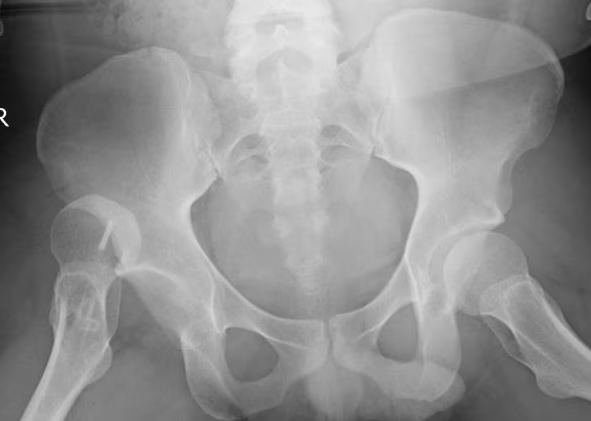
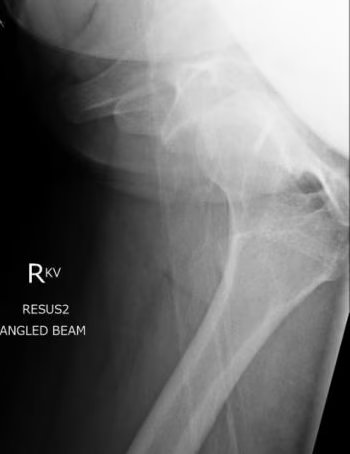
Incidence 3%
Etiology
- ligamentous laxity
- increased femoral anteversion
- acetabulum shallow and anteverted
Examination
- walk ER to maintain location
- hip can spontaneously sublux / dislocated and reduce
Treatment
FDRO + capsular plication