
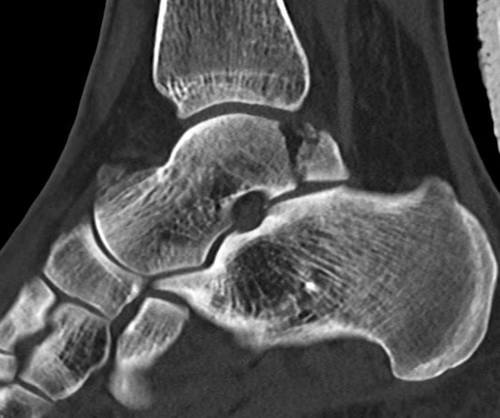
Anatomy
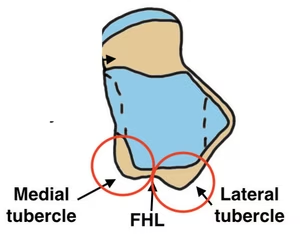
Posterolateral & Posteromedial tubercles
- separated by sulcus for FHL
- lateral larger than medial
PL tubercle
- size variable
- superior surface non articular, attaches PTFL
- inferior surface in continuity with posterior articular surface of talus
- an elongated lateral process (Steida lesion) can fracture
PM tubercle
- size variable
- attachment of the deep & superficial deltoid ligaments
Patterns of injury
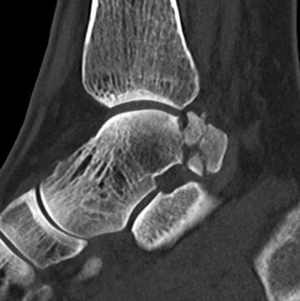
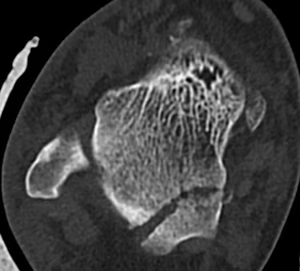
Fracture of the posteromedial / posterolateral process
- forced plantar flexion - impingement especially ballet / soccer
- excessive dorsiflexion - increased tension on PTFL with avulsion
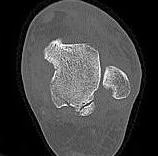
Fracture of the posterior process involving the subtalar joint
- seen after subtalar dislocations
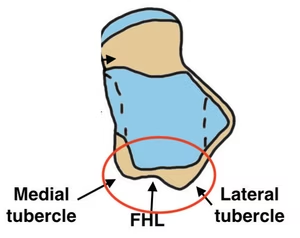
Operative management
Indications
Large posterior process fracture involving subtalar joint
Posteromedial / posterolateral fragment nonunion
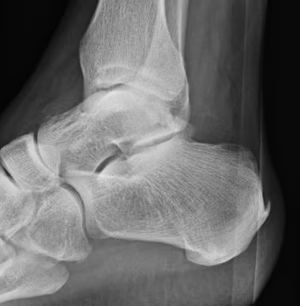
Large posterior process fracture
Indication for surgery
Involves the subtalar joint and therefore has risk of OA
- systematic review of posterior process fractures
- better outcomes with surgical intervention if involves articular surface
Management
Open - posterolateral / posteromedial approach
Arthroscopic
Vumedi posteromedial approach to posterior talar pocess video
Results
Wijers et al Foot Ankle Int 2019
- 29 patients with posterior process fractures
- most commonly fall from height
- better outcomes with operative care
Posterolateral / posteromedial process nonunion
Ongoing pain
- tender posteriorly
- pain with FHL movement
Management
- posteromedial or posterolateral approach
- excision of fragment