DDx DIPJ OA
DDx
OA
Psoriasis
CREST (scleroderma)
RA (rare form)
Other seronegative arthropathies
Hyperparathyroidism
Reactive arthropathy
Gout

OA
Psoriasis
CREST (scleroderma)
RA (rare form)
Other seronegative arthropathies
Hyperparathyroidism
Reactive arthropathy
Gout
Diagnosis
Pisotriquetral view
- forearm positioned 30° supinated off the neutral position
- loss of symmetry between the pisiform and triquetrum is required for the diagnosis
- carpal tunnel view may be helpful in further assessment of the joint
Clinical
More common problem
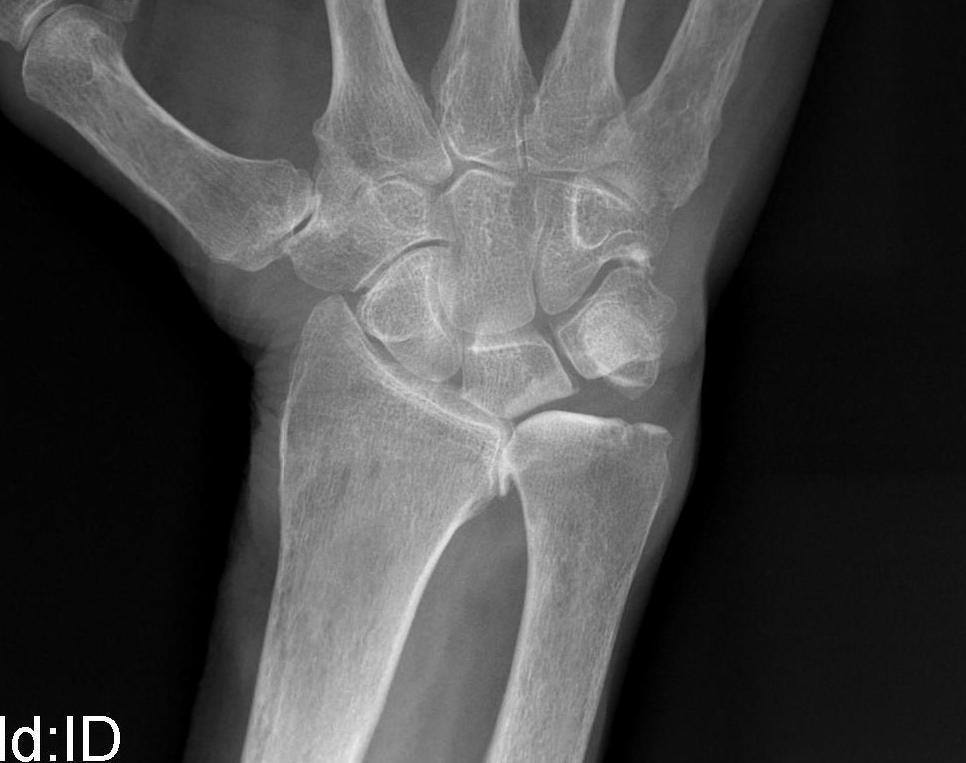
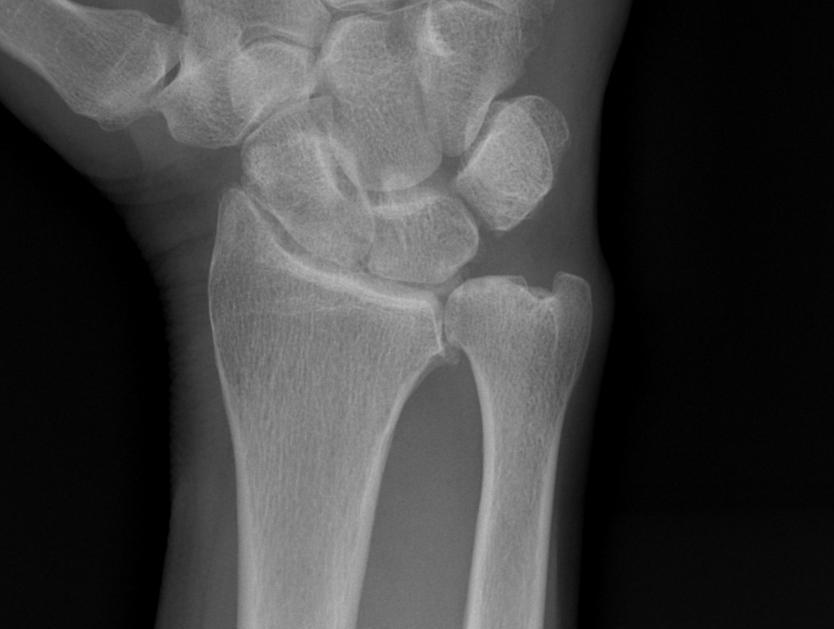
Darrach's
- distal ulna excision
- best for elderly RA patient
Bower's interpositional hemiarthoplasty
Technique
Degenerative arthritis at trapeziometacarpal joint (CMC)
- trapezoid - metacarpal
Commonest hand joint involved in OA
Most common in older women

Extremely uncommon
Stability provided by joint capsule /costoclavicular & interclavicular ligaments
Recurrent instability uncommon
Many apparent dislocations in adolescents may be growth plate injuries
-will remodel without treatment
If OA from chronic dislocation may resect SCJ
Post-traumatic (type III clavicle fractures)
Idiopathic
1. OA with osteophytes
- contribute to impingement
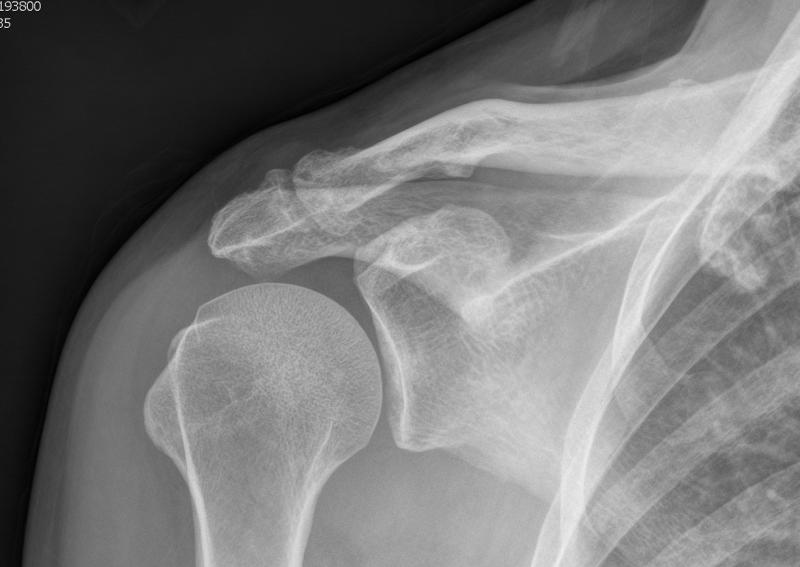
2. Osteolysis with resorption & gross osteoporosis
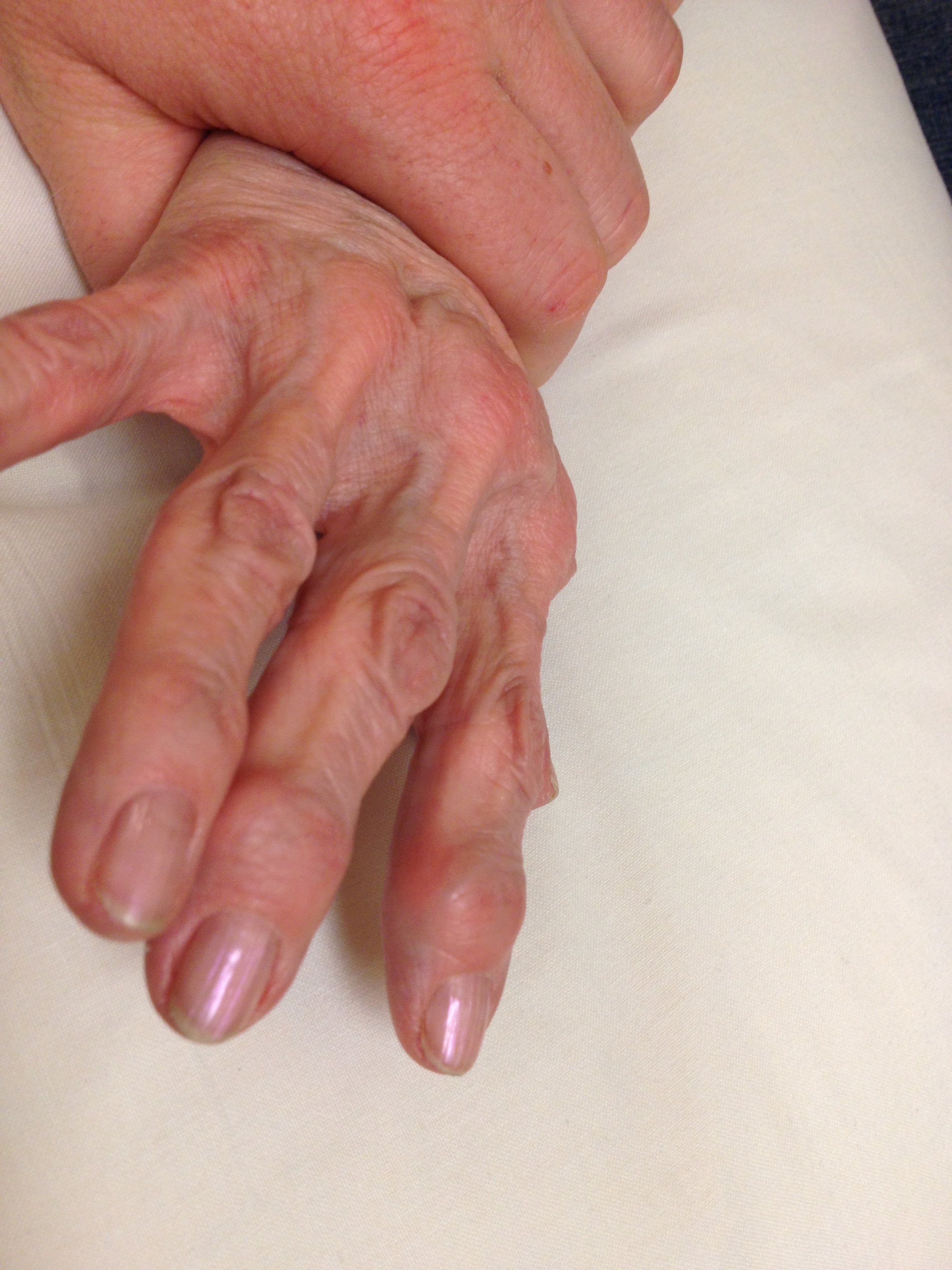
Male & Females > 60 years
- X-ray evidence of OA
Symptomatic
- 25% females
- 15% males
Base thumb
PIPJ / Bouchard's nodes
DIPJ / Heberden's nodes
Relatively rare
Average age 50
Men 4:1 Women
Usually dominant arm
Primary
- associated with strenuous manual labour
Secondary
- trauma
- OCD
- synovial chondromatosis
- valgus extension overload / MCL insufficiency
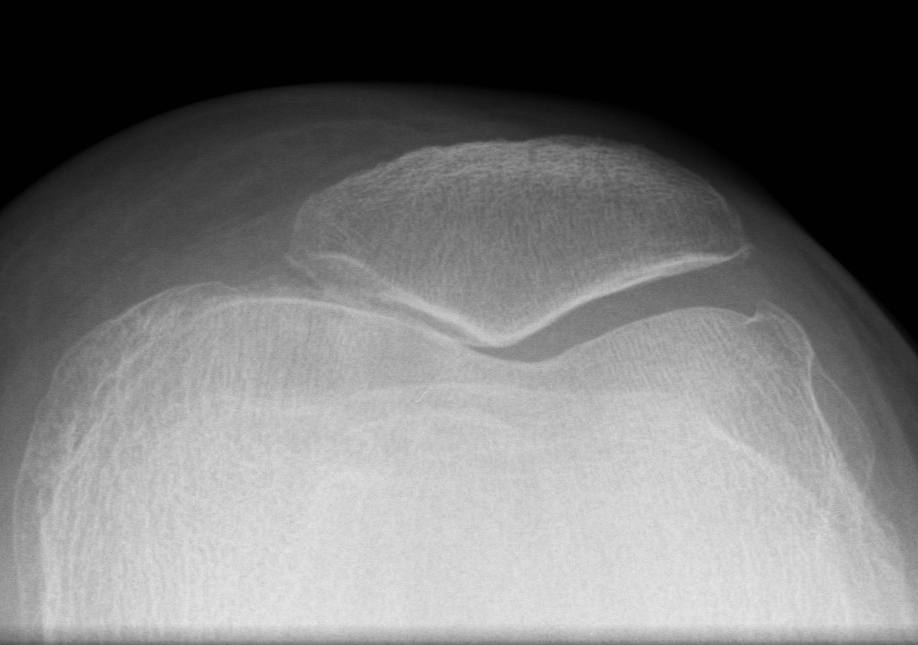
1 in 10 patients with symptomatic knees have isolated PFJ OA
Obesity
Repetitive deep flexion
Malalignment
Lateral patella tightness
Blunt trauma
Anterior knee pain
- rising from chair