types

Cuboid Fractures

Types


1.  Capsular avulsions


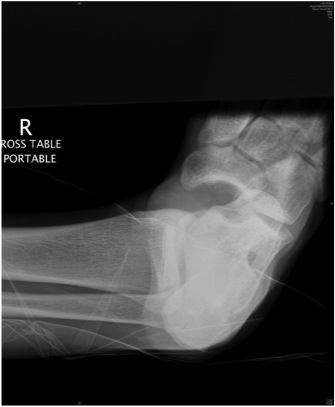
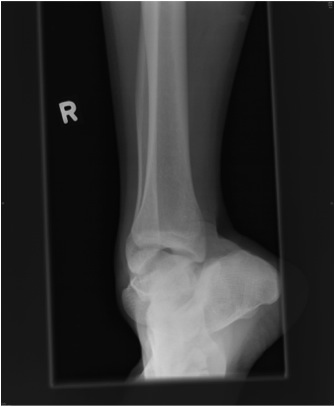
2.  Body / Nutcracker fracture


Nutcracker fracture


Epidemiology

- rare


Mechanism

- forced eversion / abduction of forefoot

- cuboid crushed between 4th and 5th MT and calaneum


Pathology

- displaced cuboid fracture with subluxation of tarsus
Von Willebrand's Disease

Incidence


Most common of the bleeding disorders

- 1:100


Function


vWF            

- needed for platelet adhesion and platelet-platelet interactions

- also carrier for factor VIII / protects it from rapid breakdown


Aetiology


Gene on chromosome 12

1.  Reduced production VWF

TFCC tears

Definition


Present with pain but not instability


Types


Traumatic

Degenerative


Different treatment algorithms for each


History


Ulna side wrist pain

- may be worse with rotation

- opening doors and jars


History of trauma


Examination


Local tenderness DRUJ


Osteoporosis

Epidemiology


1/3 caucasian women > 64


Risk Factors


Insufficient bone mass at time of skeletal maturity

- peak bone mass is achieved at age 25


Rapid loss of bone after menopause


Low body weight / weight loss / history of smoking / steroids


Primary


Type 1

- postmenopausal

- high turnover / osteoclast mediated

- F x 6

Spinal Braces

Braces


1.  Motion Control


2.  Spinal Realignment


3.  Trunk Support


4. Weight Transfer


Soft Collar


Cheap & Comfortable

- ineffective

- allows 70% Flexion Extension / 80% Rotation / 90% Lateral bend


Philadelphia Collar


MCL and Posteromedial Corner

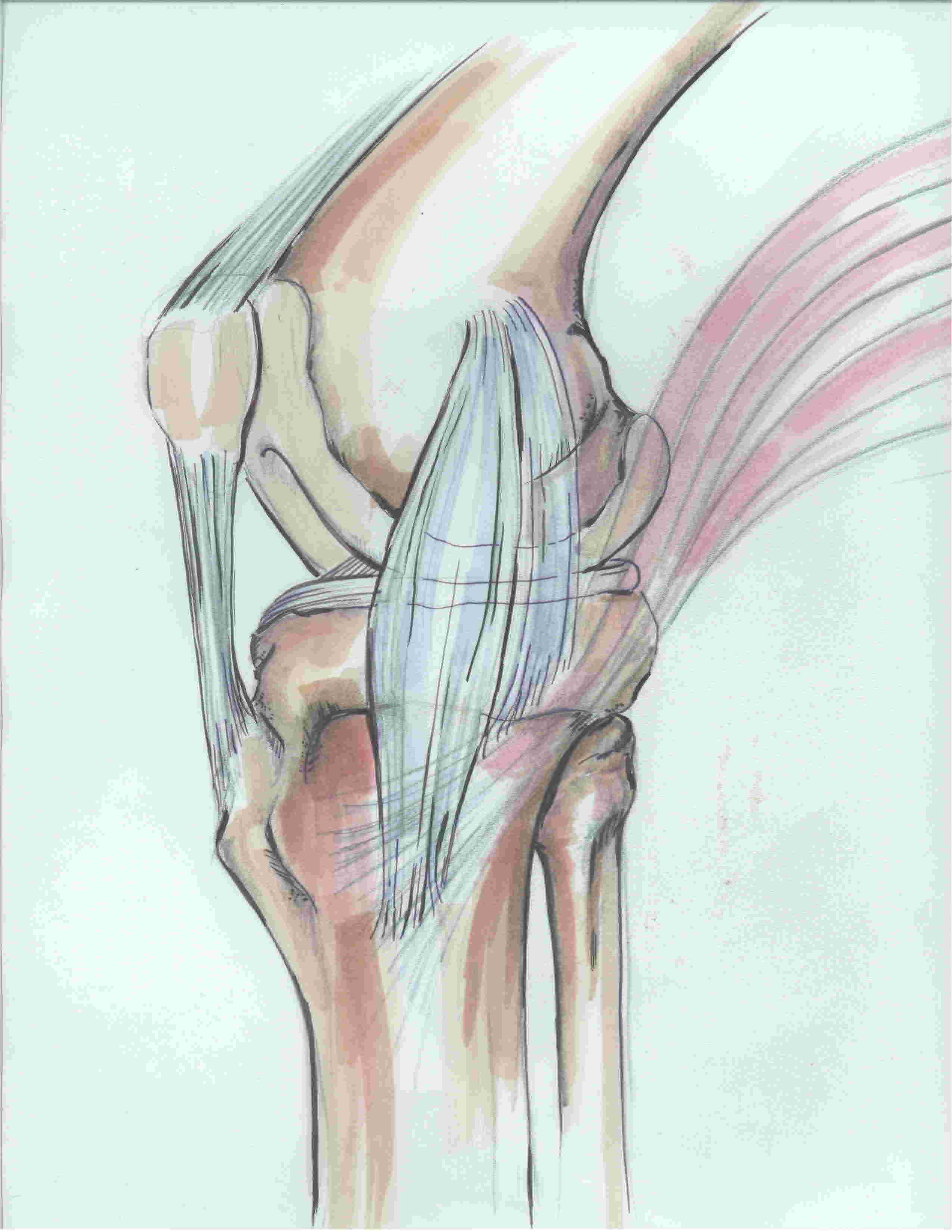
AnatomyMCL anatomy


1. Seebacher's 3 layers of the medial knee


Layer 1

- sartorius and sartorius fascia


Layer 2

- superficial MCL

- posterior oblique ligament

- semimembranosus


Layer 3

- deep MCL (meniscofemoral and meniscotibial ligament)

- posteromedial capsule 


2. MCL


Superficial MCL